

 Share
ShareThere is a particular moment that every serious tournament grinder knows well: the final table breaks, the winnings are confirmed, and the mind immediately jumps to a single question — how quickly can that balance become spendable? For years, high rollers on UK-facing rooms simply accepted the wait. Weekends came and went while a wire trundled through banking systems. Then a crypto-first newcomer named CoinPoker rewired the whole expectation, and the way big players think about moving money hasn't looked the same since. What began as a niche curiosity for Bitcoin enthusiasts quietly reshaped the standard, and that shift is now baked into how players choose where to sit down at all.
That shift is exactly why comparison culture around poker rooms has exploded, and why so many experienced players now start their search with ranked guides. The most useful of these round-ups treat online poker as a competitive field to be measured rather than a single destination, weighing UK-facing rooms on licensing credibility, the fairness of their welcome bonuses and rakeback structures, and the traffic signals that hint at how healthy the cash games and tournament guarantees really are. A strong guide will break down CoinPoker alongside heavyweights such as ACR Poker and GGPoker, mapping game formats from No-Limit Hold'em to Pot-Limit Omaha and short deck, then pointing different player types toward the room that actually suits their volume and style. For a high roller deciding where serious bankroll should live, that kind of side-by-side review has become the natural first stop.
Why Instant Withdrawals Became the Benchmark
The appeal is easy to understand once the pain point is spelled out. Traditional cashiers on UK-facing rooms leaned on bank transfers and card networks that were never built for the tempo of high stakes play. A player might smash a Sunday major, confirm a five-figure score, and then sit on it for days waiting for the funds to clear.
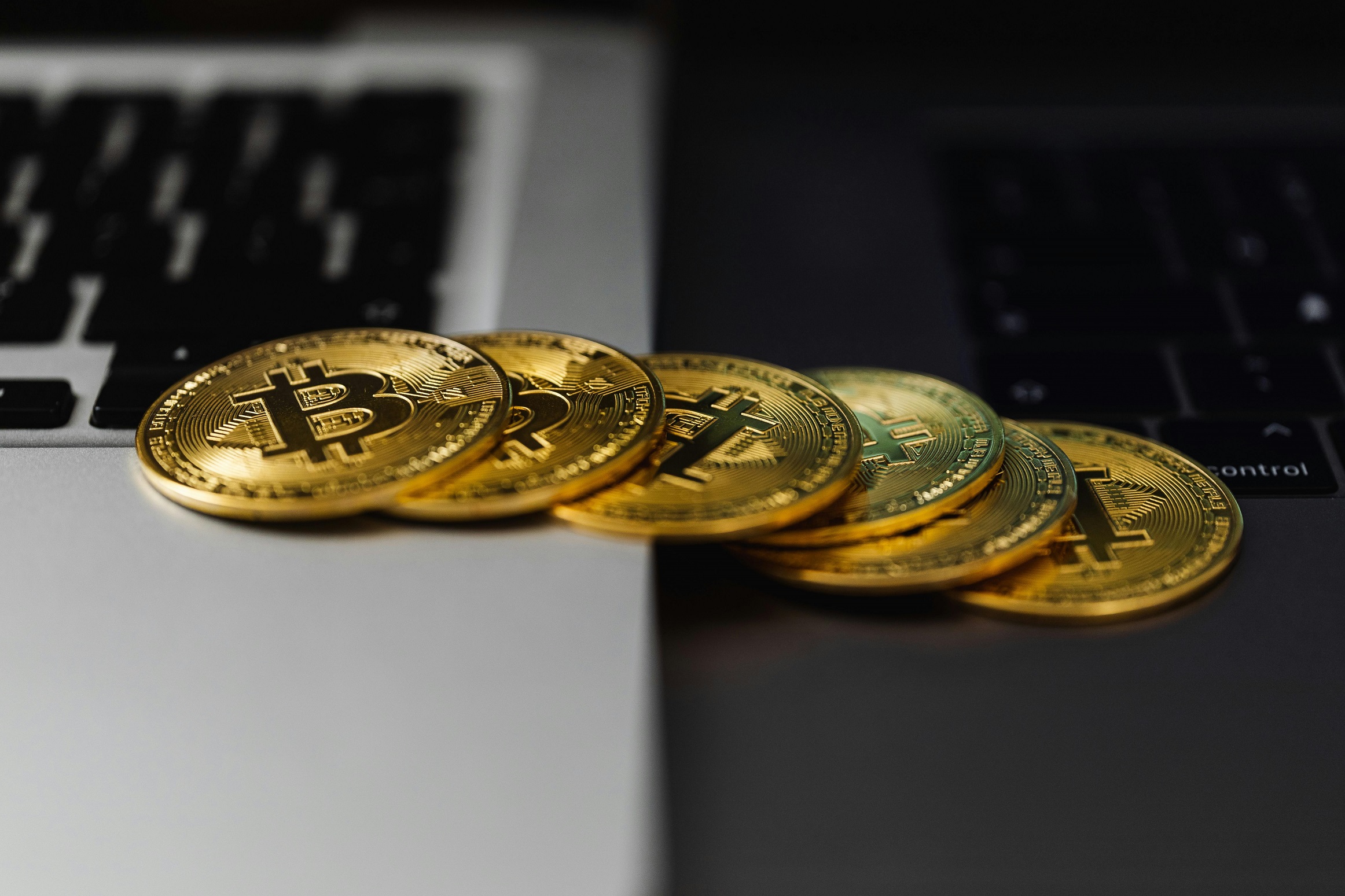
CoinPoker's crypto-first model collapsed that gap. By running deposits and withdrawals through stablecoins and its own token, the room let winnings land in a wallet in minutes rather than working days. For grinders who treat their bankroll as a working tool — moving it between rooms, reloading for the next series, hedging across tables — that speed changed behaviour rather than just convenience. The wait stopped being a fact of life and started looking like an avoidable inefficiency.
The Ripple Across UK-Facing Rooms
Once one room proved that near-instant movement was possible, the pressure spread. Established names could no longer wave away slow banking as simply "how it works". High stakes regulars are a vocal, mobile crowd, and traffic follows the path of least friction. When a well-known grinder posts about pocketing a win before the felt has even cooled, the message travels fast through the community.
That competitive heat pushed rivals to add e-wallet options, crypto rails and faster processing tiers of their own. GGPoker and ACR Poker both broadened their cashier menus, partly to keep the volume players who had grown used to CoinPoker's rhythm. The knock-on effect is that the whole UK-facing market now competes on withdrawal speed as openly as it competes on bonuses and tournament guarantees. Academic study of how players weight uncertain outcomes, including detailed analysis of subjective probability weighting at the tables, suggests that reducing friction around money quietly reshapes the choices players are willing to make. What was once a differentiator has become table stakes.
The Psychology Behind Chasing the Instant Cashout
There is more going on here than impatience. The pull of an immediate result taps into something well studied about how people value outcomes. A win that can be touched right now simply feels larger and more real than the same sum promised for next week. Behavioural researchers have long explored how the mind bends probability and reward, and the classic work on decision making in risky behaviour shows how heavily people weight immediacy and certainty when the stakes are personal.
Poker players, of all people, live inside these mental patterns. The same instincts that make a strong player fold a marginal hand also make an instant cashout feel disproportionately satisfying. Removing the delay removes a small nagging uncertainty, and for someone managing serious sums across multiple rooms, that reassurance carries real psychological weight. The crypto-first model, whether by design or happy accident, spoke directly to that wiring.
Speed, Skill and the Bigger Discipline
None of this replaces the core skill that separates winning high rollers from the rest. Fast access to funds is a logistics upgrade, not a strategy. The best players still succeed because they read situations, manage variance and stay disciplined under pressure. There is a reason business schools study the game; the widely cited piece on what the game reveals about choices argues that thinking in probabilities and separating good decisions from good outcomes is a transferable life skill.
Where the crypto-first model does matter is in how it lets that discipline extend beyond the table into bankroll management. A player who can move winnings instantly can rebalance across rooms, seize a soft game the moment it appears, and keep capital working rather than parked. Reducing friction around money does not sharpen judgement, but it does widen the range of moves a disciplined player can actually execute.
What It Means for the Modern High Roller
The lasting legacy of CoinPoker's approach is not really about any single room. It is about a raised expectation that now follows players wherever they sit. High rollers have grown used to treating their bankroll as fluid and immediate, and rooms that cannot match that rhythm feel dated by comparison. Comparison guides reflect this shift too, ranking cashier speed alongside game variety and guarantees. The crypto-first model did not just speed up a transaction — it redrew what serious players consider normal, and the whole UK-facing scene has quietly adjusted to keep pace.